
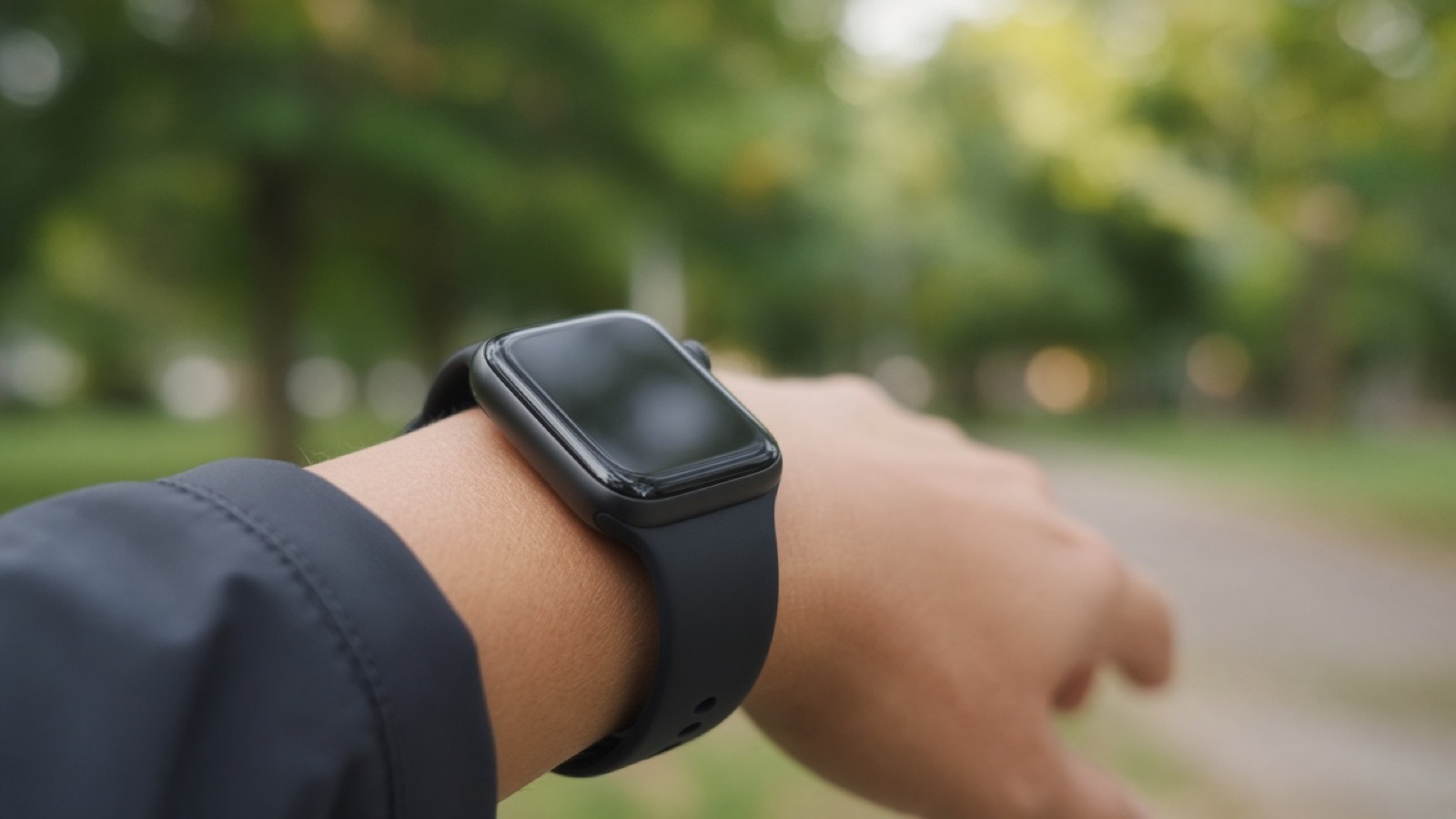
A step counter feels harmless. A sleep score feels useful. A mood journal feels private. Together, fitness wearables, period trackers, therapy apps, and diet logs can assemble a portrait of your body and mind that advertisers, brokers, and breach actors prize—often without the protections people assume apply to “health data.”
Key takeaways
- Most consumer wellness apps are not the same as a hospital record under HIPAA-style rules.
- Biometric and mental-health signals are high-sensitivity: once shared or breached, they are hard to walk back.
- Permissions, SDKs, and “research partners” matter as much as the feature you opened the app for.
- A health-focused privacy plan starts with inventory and minimization—not buying another gadget.
Why health privacy needs a different weight
Everyday privacy tips (clear cookies, use a private browser) help at the edges. Health and wellness data is different because it is durable and inferential: heart-rate variability, GPS runs, medication reminders, and journal entries can reveal conditions, pregnancy, stress, or lifestyle patterns you never typed into a search box.
SocialCaution treats a Health & wellness focus as a full picture—apps, habits, and rights—because a single “turn off ads” toggle does not undo a year of synced biometrics.
Where wellness data actually goes
Collection paths shift with every OS update, but the pattern is stable:
-
On-device sensors — motion, GPS, microphone (for snore or meditation apps), camera (for skin or posture features).
-
Cloud sync — backups that make recovery easy and also create a remote copy of sensitive timelines.
-
Third-party SDKs — analytics, crash reporting, and advertising libraries embedded inside “health” apps.
-
Partner sharing — coaches, insurers, employers, research programs, or “connected” platforms that request broad access.
HIPAA is not a blanket
In the U.S., HIPAA generally covers covered entities and their business associates (clinics, insurers, and certain partners)—not every consumer wellness brand in an app store. Read the privacy policy for the app you actually use; do not assume hospital-grade rules apply to a free meditation download.
Risks that show up after the honeymoon period
Inference & secondary use
Even “anonymous” fitness stats can be re-identified or combined with other profiles for ads, risk scoring, or profiling.
Breach & retention
Long retention of journals, photos, and wearables history means a future incident can expose years of intimate detail.
Cross-app bleed
Health data tied to the same email, Apple/Google account, or social login as shopping and social apps widens who can connect the dots.
A clearer sequence: see → reduce → govern
Instead of a random checklist, work in order:
-
See what you use — list wearables, pharmacy apps, mental-health tools, cycle trackers, diet logs, and anything that syncs with Apple Health / Google Health Connect / Samsung Health.
-
Reduce what leaves the device — disable non-essential permissions (especially precise location, contacts, and microphone); turn off ad personalization and unnecessary “share with researchers” defaults.
-
Govern the sensitive core — prefer apps that explain retention and export/delete; revoke old OAuth connections; delete accounts you abandoned after a 14-day trial.
-
Separate identities when stakes are high — consider a dedicated email for health logins so a social-media breach does not unlock your wellness stack.
-
Use rights where they apply — access, deletion, and opt-out requests under consumer privacy laws; clinic portals under health-privacy regimes when you are dealing with real medical providers.
Mental health and biometric data deserve extra caution
Therapy chats, mood scores, and voice journals can be more sensitive than step counts. Prefer services with clear encryption promises, short retention, and no advertising business model—and be skeptical of “AI companion” features that send raw text to remote models by default. Genetic and biometric identifiers (face, fingerprint, voice, DNA) are effectively permanent; treat any request to upload them as a long-term decision, not a convenience toggle.
How this fits the SocialCaution approach
Health privacy is not about fear of every wearable—it is about matching effort to sensitivity. When your concern is health and wellness, priorities shift toward the apps that hold body and mind data, the habits that keep syncing them everywhere, and the rights that let you pull copies back or cut sharing. Understanding that picture first is what makes the next steps feel doable instead of endless.